The solution
The workshops are not the goal: they are the tool
Talleres de San José develops productive units that train people and generate local work while they make, repair and prepare items that will be used directly in the communities’ recovery projects.
There are four lines. The pilot starts with just one.
Carpentry
CNC · cutting · edgebanding · assembly · furniture · doors · windows
Pilot being set up · CartagoUpholstery
Tapizado · espumas · estructuras de mobiliario · reparación
Part of the model · not yet in the pilotSewing
Máquinas industriales · textiles · dotación · reparación
Part of the model · not yet in the pilotMetalwork
Welding · structures · supports · doors · components
Part of the model · not yet in the pilotConceptual renders
How each line will look
The workshop has not been built yet. These images show what is planned, and each one says so on its face so it is not mistaken for a record of something that already exists.
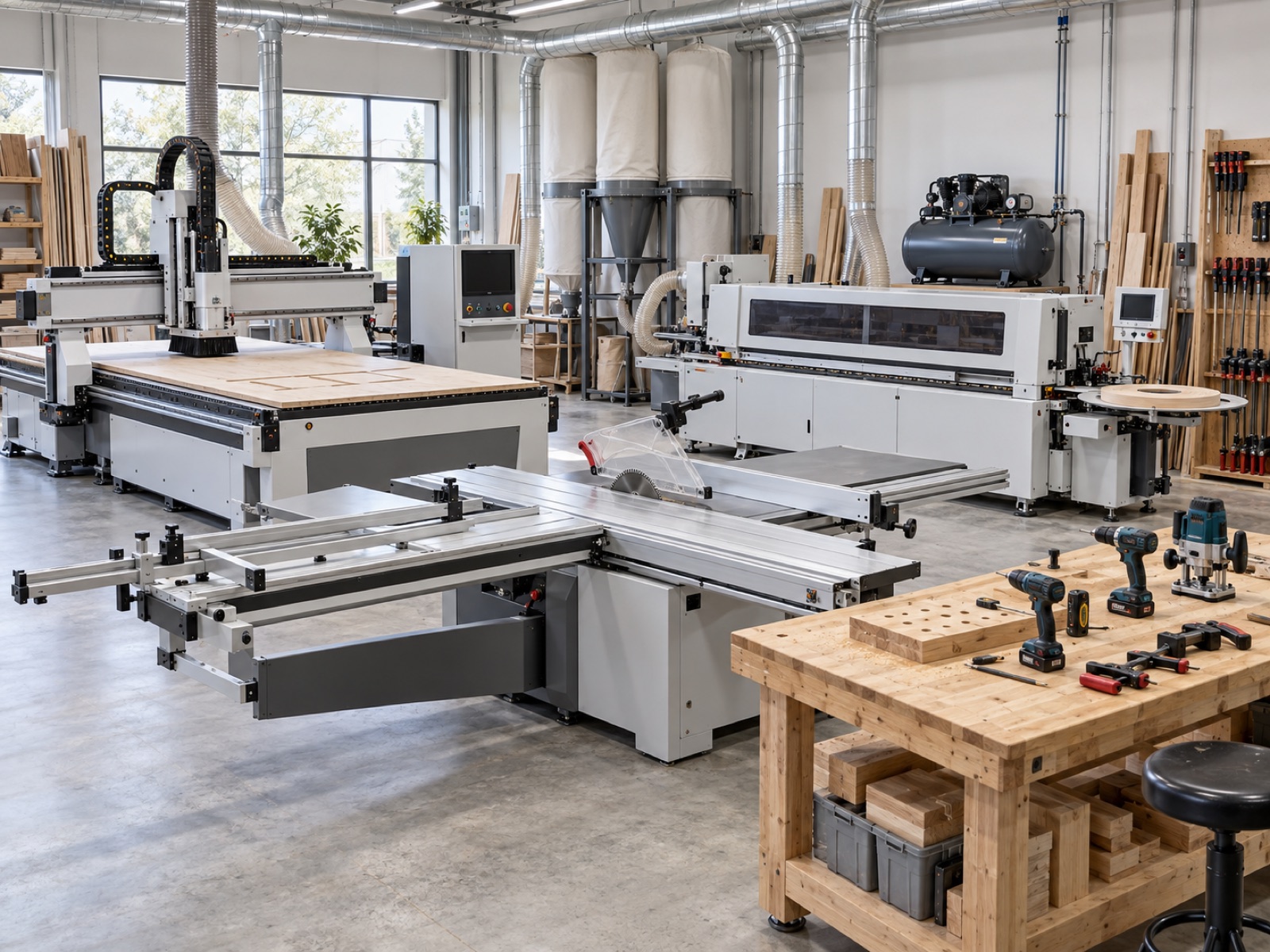

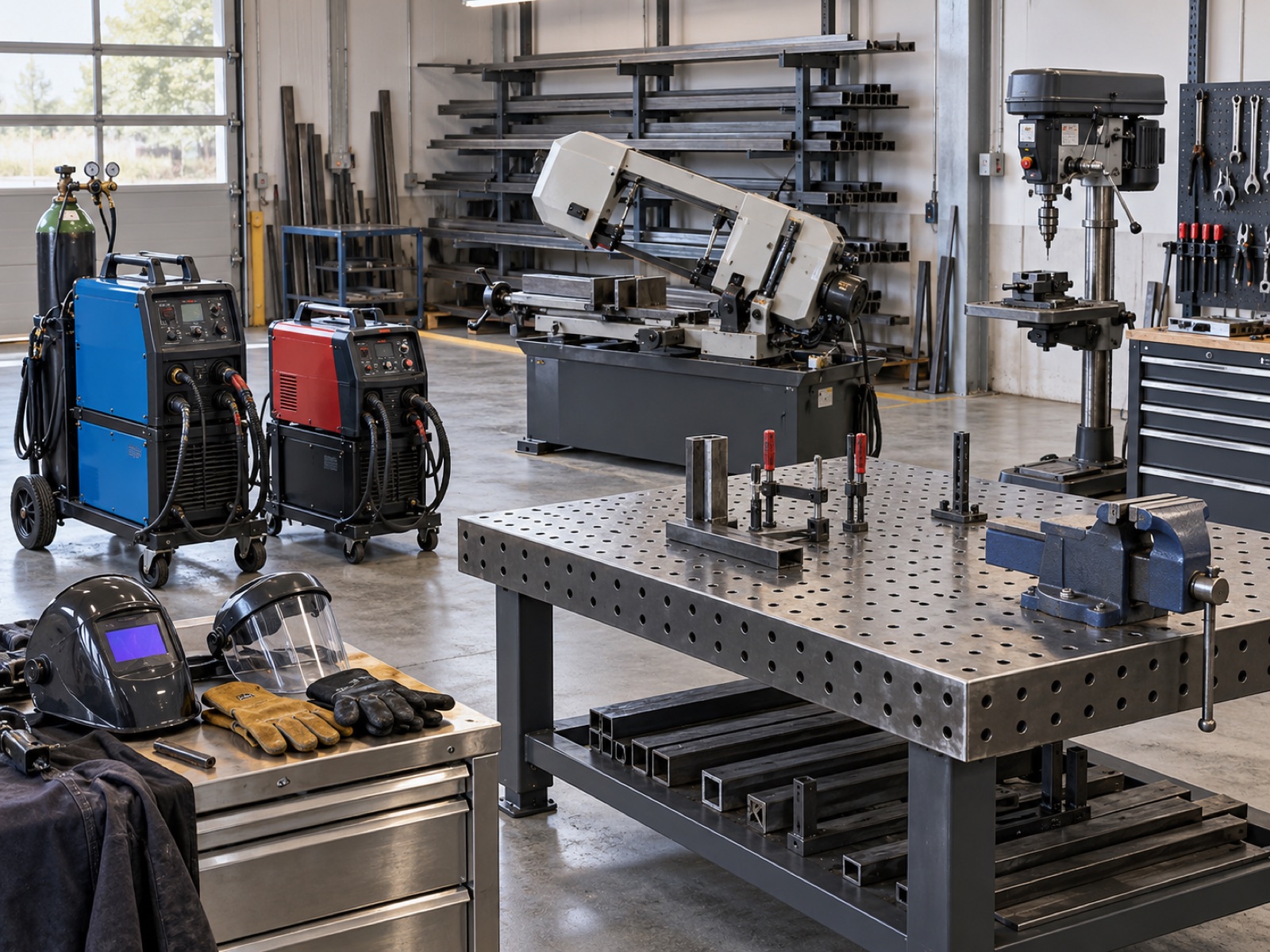
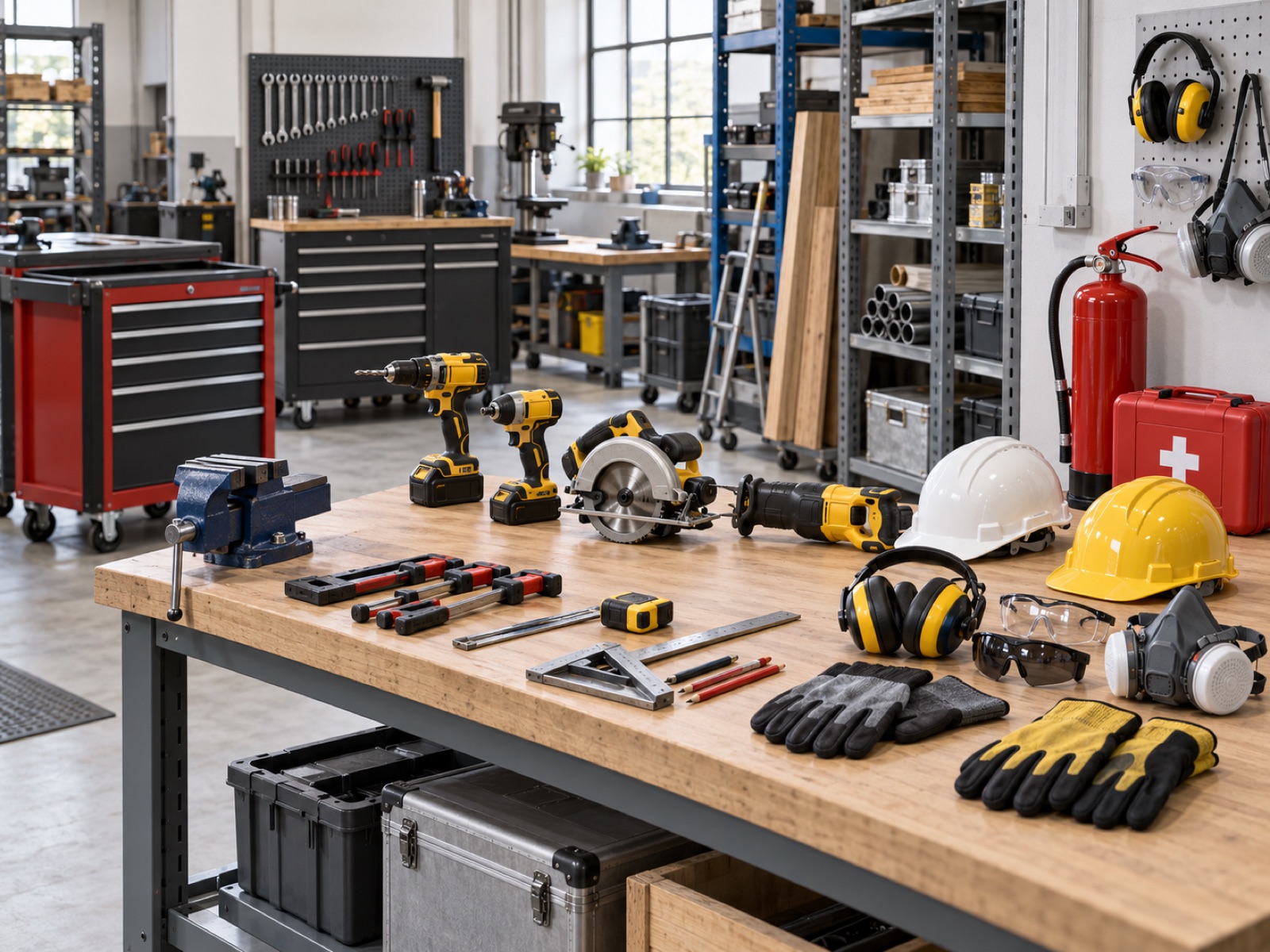
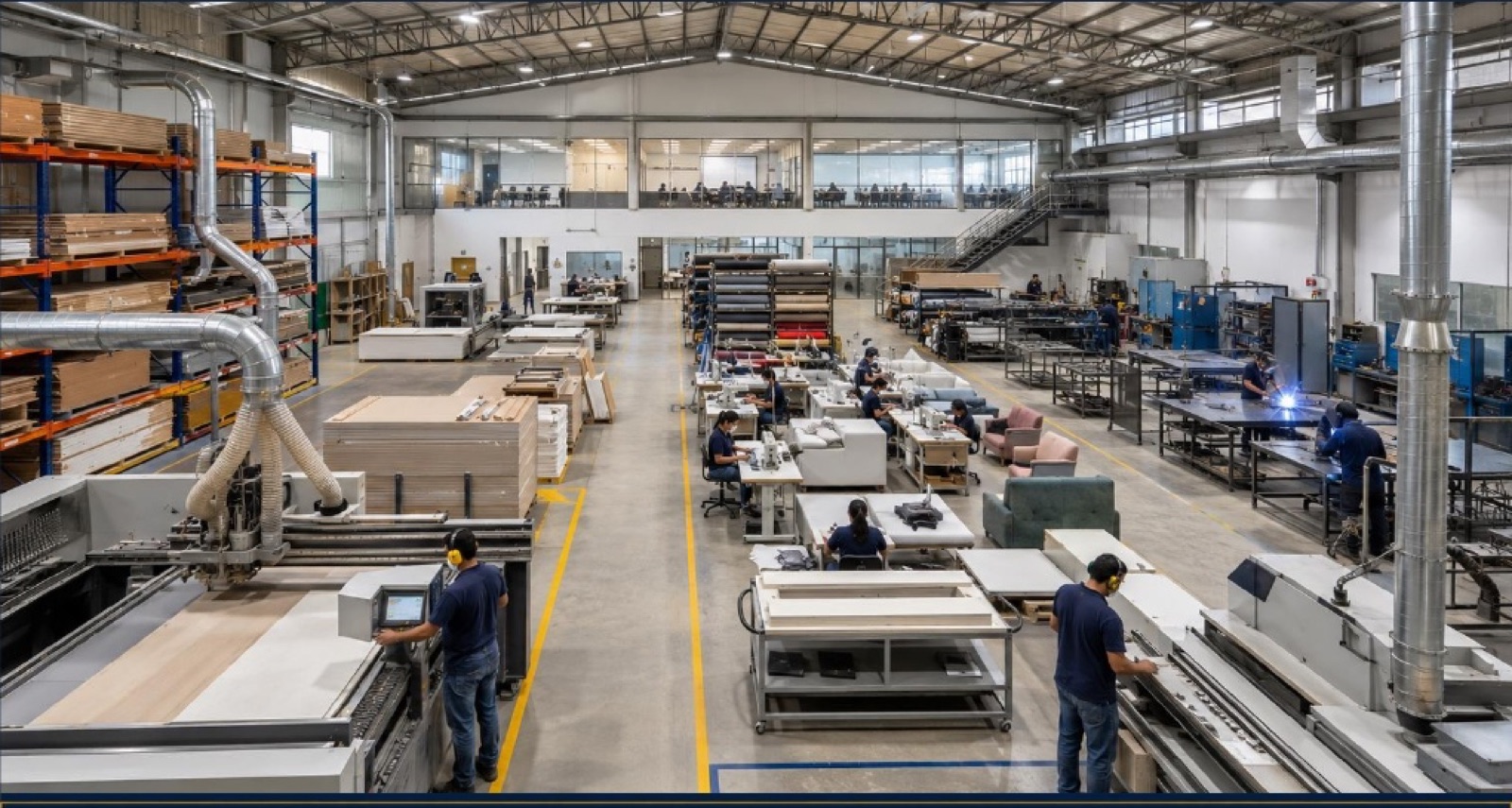
The rest of the renders — the floor layout and the twelve labelled areas — are in the archive.
What the workshops produce is used directly in the recovery
First pilot
Cartago: start small to prove a serious model
Test processes, costs, organization, training and results before scaling.
- Train local talent with technical support.
- Create real work opportunities within the community.
- Make and repair doors, windows, furniture, storage and other components.
- Meet community needs and, where relevant, diocesan needs tied to the recovery.
- Document what we learn in order to assess a possible replication.
Second pilot
Quibdó: taking the model to Chocó
The October guide adds Quibdó as a pilot site, alongside Cartago.
- History and location of the future workshop.
- Plans, renders and progress, identified as such.
- Still to be documented: there is no evidence to publish yet.
Start · Prove · Document · Improve · Replicate